
Myrcene Terpene: Benefits, Effects, Uses, and Natural Sources Explained
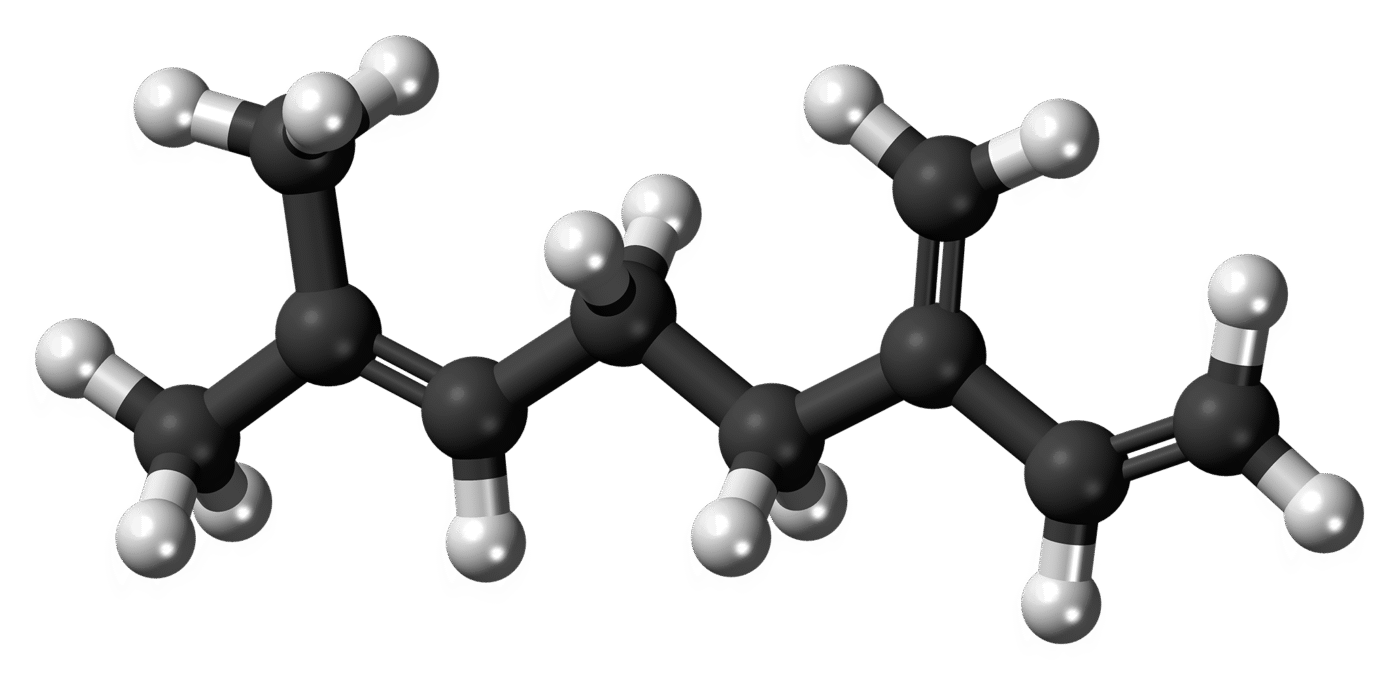
Myrcene terpene is one of the most abundant and widely studied natural compounds found in plants. Known for its earthy aroma and calming properties, this terpene plays an important role in plant chemistry and wellness applications. Many researchers and wellness enthusiasts explore myrcene terpene for its potential relaxing effects, anti-inflammatory properties, and natural health benefits.
In this guide, you’ll learn what myrcene terpene is, how it works, its benefits, uses, and where it is naturally found.
What Is Myrcene Terpene?
Myrcene is a naturally occurring terpene responsible for earthy, musky, and slightly fruity aromas in many plants. It is commonly found in herbs, fruits, and essential oils, contributing to both scent and potential therapeutic effects.
Terpenes like myrcene help protect plants from environmental stress while also providing distinctive fragrances. In humans, these compounds may interact with biological systems that regulate mood, inflammation, and relaxation.
Natural Sources of Myrcene
Myrcene terpene occurs in a wide range of plants and foods, including:
- Mangoes
- Lemongrass
- Thyme
- Bay leaves
- Hops
- Basil
- Certain aromatic herbs
These natural sources make myrcene a common component in essential oils, wellness products, and natural remedies.
Key Characteristics of Beta Myrcene Terpene
B Myrcene Terpene has several unique features that distinguish it from other plant compounds.
Aroma Profile
Myrcene produces a distinctive scent described as:
- Earthy
- Musky
- Herbal
- Slightly fruity
- Clove-like
This aroma makes it valuable in fragrance production and aromatherapy.
Chemical Properties
Myrcene is known for its ability to enhance the effects of other plant compounds. Some researchers suggest it may help increase absorption of certain beneficial substances, though studies are ongoing.
Benefits of Myrcene Terpene
Myrcene terpene is widely studied for its potential wellness benefits. While research continues, early findings and traditional uses suggest several promising effects.
Relaxation and Calming Effects
Myrcene is commonly associated with calming and relaxing properties. It may help support restful sleep and promote overall relaxation without strong sedative effects.
People seeking natural stress relief often explore myrcene-containing products for their soothing qualities.
Anti-Inflammatory Properties
One of the most researched benefits of myrcene terpene is its potential ability to reduce inflammation. It may help support joint health, muscle recovery, and general physical comfort.
Pain Relief Potential
Some research suggests myrcene may contribute to natural pain management by influencing inflammatory pathways and supporting physical recovery processes.
Antioxidant Support
Myrcene may help protect cells from oxidative stress, supporting overall wellness and long-term health.
How Myrcene Works in the Body
Myrcene interacts with biological systems that influence mood, sleep, and immune response. Its effects are believed to result from how it interacts with receptors that regulate these functions.
Interaction With Body Systems
Research suggests myrcene may help:
- Support relaxation responses
- Regulate inflammatory activity
- Enhance absorption of certain compounds
- Promote balance in the body
These interactions make it a key area of study in natural health research.
Non-Psychoactive Nature
Myrcene does not produce intoxicating effects. Instead, it supports physical and mental relaxation while maintaining clarity.

Common Uses of Myrcene Terpene
Myrcene is widely used across industries due to its aroma and potential health benefits.
Aromatherapy and Essential Oils
Myrcene is commonly found in essential oils used for relaxation, stress management, and emotional balance. Its earthy scent helps create calming environments.
Food and Beverage Industry
Because of its herbal flavor profile, myrcene is used in food flavoring and beverages. It contributes to the aroma of herbs, fruits, and plant-based products.
Natural Wellness Products
Many natural supplements and plant extracts contain myrcene for its potential anti-inflammatory and calming effects.
Why Manufacturers Use Myrcene
- Pleasant natural aroma
- Potential therapeutic benefits
- Wide availability in plants
- Versatile applications
Myrcene vs Other Terpenes
Myrcene differs from other terpenes in its strong relaxing effects and abundance in nature.
| Feature | Myrcene | Other Terpenes |
|---|---|---|
| Aroma | Earthy, musky | Varies widely |
| Primary effect | Relaxation support | Depends on terpene |
| Natural abundance | Very high | Moderate to low |
| Common uses | Wellness and aroma | Aroma and flavor |
Its widespread presence makes myrcene one of the most researched terpenes.
Frequently Asked Questions About Myrcene Terpene
What does myrcene smell like?
Myrcene has an earthy, musky, and slightly fruity aroma with herbal notes.
Is myrcene safe?
Myrcene is generally considered safe when consumed in natural food sources or used appropriately in wellness products.
Where is myrcene naturally found?
It occurs in mangoes, lemongrass, thyme, hops, and many aromatic plants.
What are the main benefits of myrcene terpene?
Potential benefits include relaxation support, anti-inflammatory effects, antioxidant protection, and stress relief.
Key Takeaways on Myrcene Terpene
Myrcene terpene is a powerful natural compound known for its calming effects, earthy aroma, and potential wellness benefits. Found in many fruits and herbs, it plays an important role in aromatherapy, natural health products, and plant science research.
As interest in natural compounds grows, myrcene continues to gain attention for its ability to support relaxation, reduce inflammation, and promote overall well-being.
If you found this guide helpful, consider sharing it, leaving a comment, or exploring more articles about natural compounds and wellness topics.